

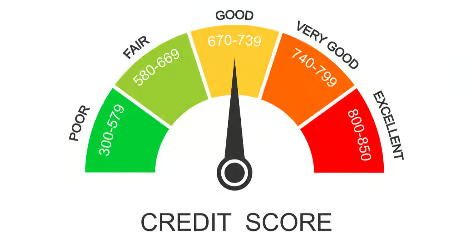
Your credit score is a number that reflects your chances of being approved for credit such as loans, credit cards and phone contracts. A higher score suggests responsible money management and timely bill payments, making lenders more likely to approve you for credit cards, loans, or mortgages. Individuals with high credit scores often receive lower interest rates and higher borrowing limits. You don’t have just one credit score-different credit reference agencies use different scales and data to calculate your score.
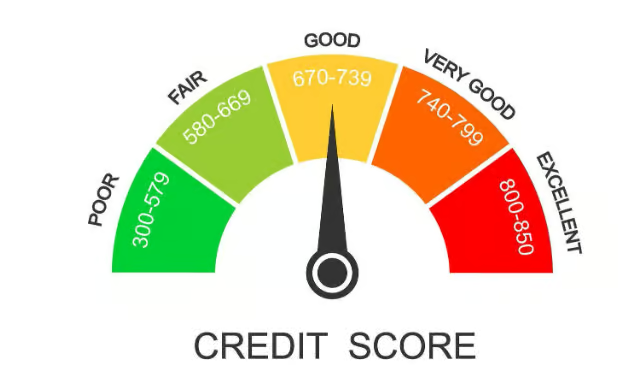
Credit score ranges | Source: vecteezy
Key factors that shape your credit score include your payment history—such as paying credit cards, loans, and bills on time—how many accounts you have, and how much of your available credit you are currently using. The length of your credit history, meaning how long your accounts have been open, also plays a role. How often and how recently you have applied for new credit can also affect your score.
Experian is one of the major credit reference agencies that collect and maintain information about your credit history. Your Experian credit score is a number between 0 and 1250. Good credit scores open the door to better credit terms, while bad credit scores can make it harder to improve. Experian also allows consumers to check their credit reports and provides tools and advice to help improve credit health. Your Experian credit report includes information such as open accounts, payment history, defaults, and recent credit applications.
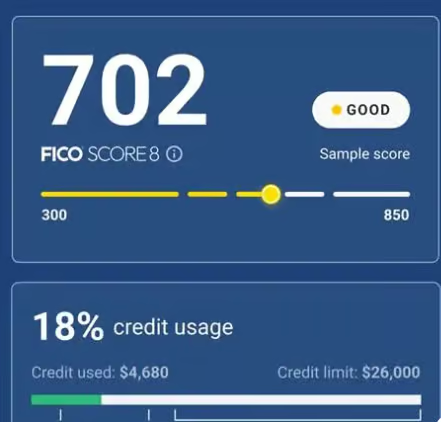
Check your credit card score | Source: Experian
You can order statutory credit reports online or by post from the main UK agencies: Experian, Equifax and TransUnion. You can also use free monitoring services like ClearScore, Credit Karma or Experian to view your files. It is important to review your information carefully; Check your personal details such as name, current address and past addresses from the last six years. Scan every credit account, loan and credit card for wrong balances or missing payments. Look for unknown accounts or searches that might signal fraud. Contact the lender or agency, and report errors directly to the lender or organisation that supplied the data, as they are responsible for fixing it.
Raise a formal dispute online or by post with the specific credit reference with the specific credit reference agency if the lender does not help. Gather proof such as bank statements, payment receipts or identity documents. Wait for the investigation. Lenders and agencies normally have 28 days to investigate and respond to your dispute. Add a 200-word notice of correction to your report if an entry is disputed or requires context, like job loss or illness.
Your credit score typically updates at least once a month when lenders send new information to credit bureaus. If you have multiple accounts, your credit report can change multiple times a month. Your credit score automatically recalculates whenever new data hits your credit file. Some monitoring services update your view daily while others refresh monthly.
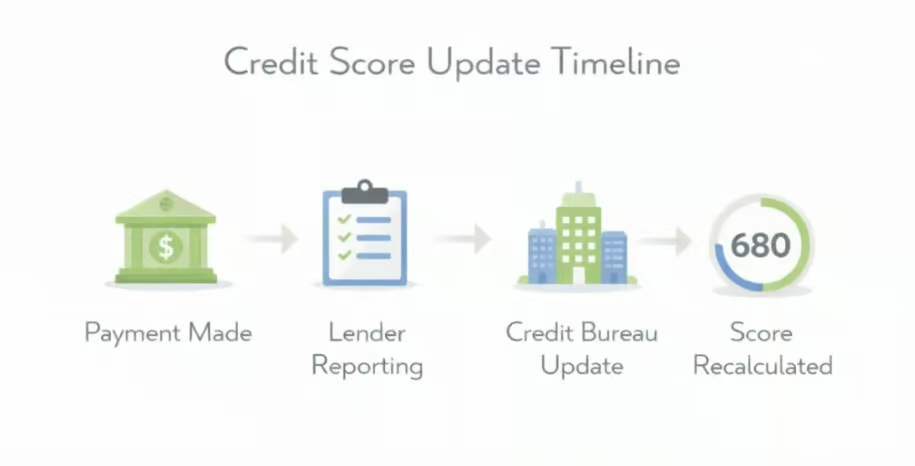
Credit score timeline | Source: SimplyMoneyLab
Credit scoring systems vary dramatically across the globe. There is no universal or international credit score, and your UK credit history will not transfer if you move abroad. This is because data privacy laws and financial regulations are local; each country handles creditworthiness using entirely different philosophies.
 0
0 0
0 0
0 0
0 0
0





| Jamie 8 hours ago I forever wish I saw an article like this before I ruined my credit score a bit 😭😭😭 |