Montenegro is entering what could be one of the final stages of its journey towards becoming part of the EU. The country is aiming to complete its accession negotiations by the end of 2026 and potentially become the EU’s 28th member in 2028.
Montenegro declared independence from its union with Serbia in June 2006, following a referendum in which around 55.5% of voters supported independence. 2 years later, Montenegro formally applied for EU membership, received candidate status in 2010, and began accession negotiations in 2012.
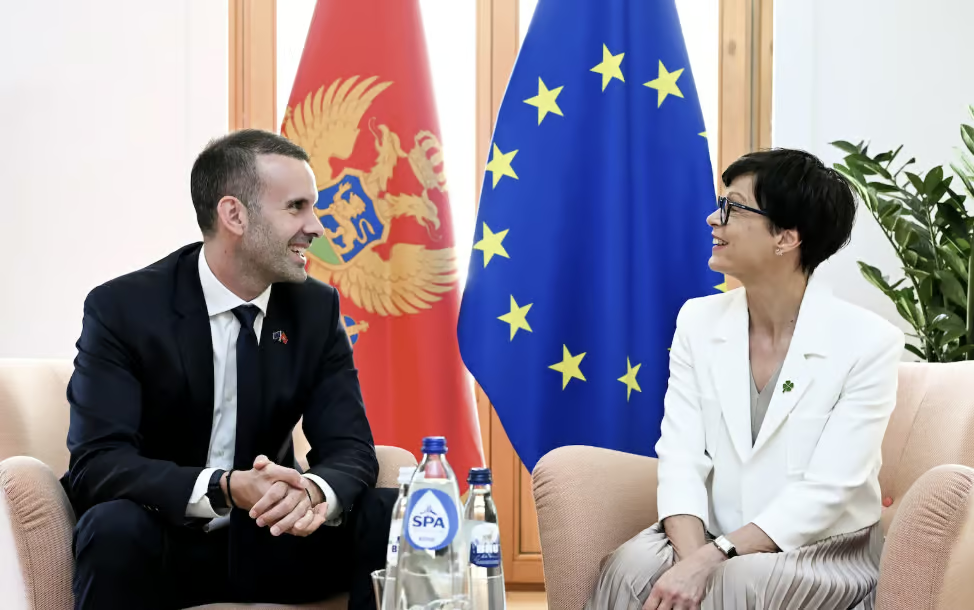
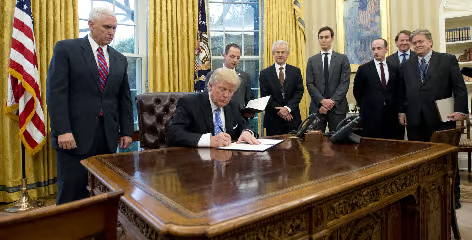
EU discussions with Marta Kos | Source: The New Union Post
Montenegro has made a lot of progress this year. All 33 negotiating chapters have been opened, with 18 provisionally closed by July. Recent progress has included chapters covering competition policy, customs, the free movement of workers and consumers, and health protection. The European Council has described Montenegro as being at the forefront of the EU enlargement process.
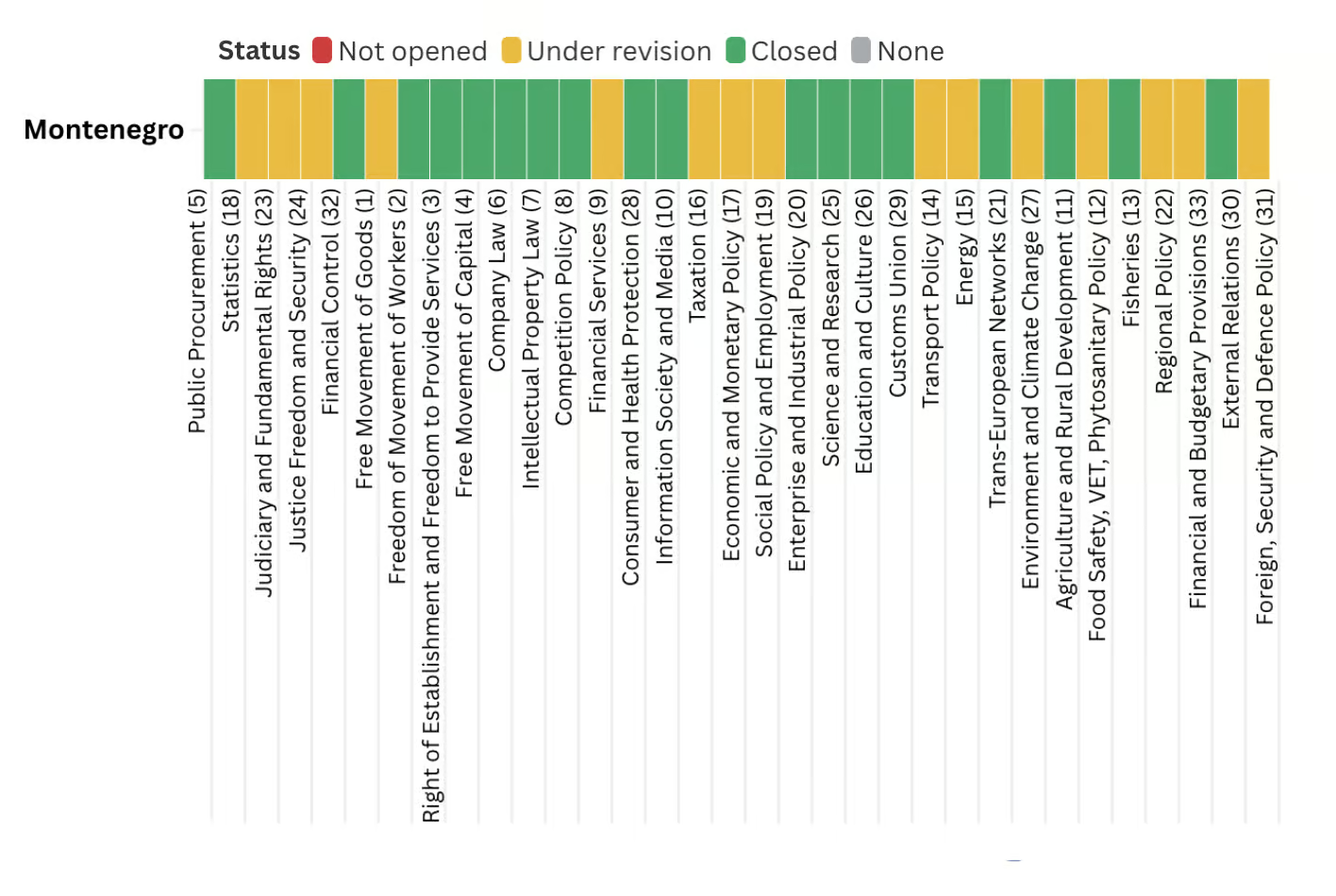
Montenegro's negotiating chapters with the EU | Source: The New Union Post
Another important development came in April and May, when EU institutions established a working group responsible for preparing Montenegro's accession treaty. The treaty will ultimately set out the legal conditions under which Montenegro would join the EU. The decision was significant because this stage normally comes much closer to the end of accession negotiations.
Montenegro's government has consequently adopted the slogan “28 by 28”, referring to its ambition to become the EU's 28th member by 2028. The government has said that its immediate objective is to finish the remaining negotiations by the end of 2026.
However, one of the biggest complications involves Montenegro's relationship with Croatia. The two countries have unresolved issues involving areas such as maritime borders, property, missing persons, and the legacy of the wars following the breakup of Yugoslavia.
These disagreements have already impacted Montenegro's negotiations with the EU. Croatia has opposed the closure of Chapter 31, which concerns foreign, security, and defence policy, because of outstanding bilateral questions. Recent reports have also indicated that an intergovernmental meeting between Montenegro and the EU was postponed in September due to disagreements over the closure of further chapters.
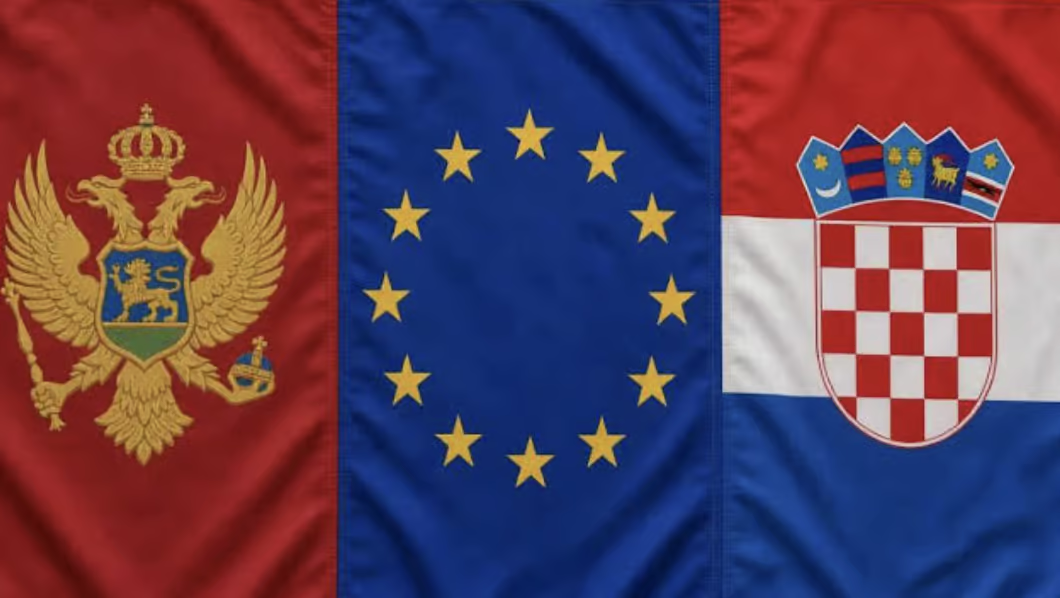
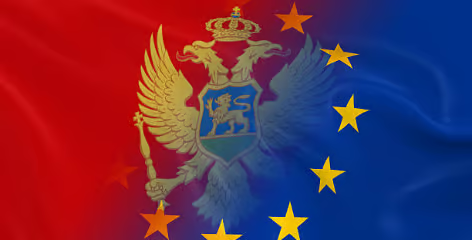
Montenegro, EU, and Croatia | Source: X
Montenegro will need to complete its remaining EU negotiations and continue reforms addressing issues such as corruption, organised crime and judicial independence in order to increase its chances of joining the EU.
 0
0 0
0 0
0 0
0 0
0