London’s air quality has improved over the last ten years, largely thanks to the Ultra Low Emission Zone (ULEZ) cutting down vehicle pollution. However, new research shows that poorer neighbourhoods and areas with higher ethnic minority populations are still stuck breathing much worse air than others.

ULEZ sign | Source: TfL
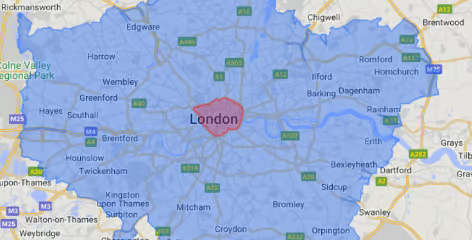
Launched in central London in 2019, the ULEZ charges non-compliant cars £12.50 a day. Since the expansion, the number of these dirtier vehicles on London roads dropped by 58%.
The results speak for themselves: a five year study showed that cleaner air helped local children’s lungs grow better, cutting the rate of kids with poor lung function from 14% down to 9%.
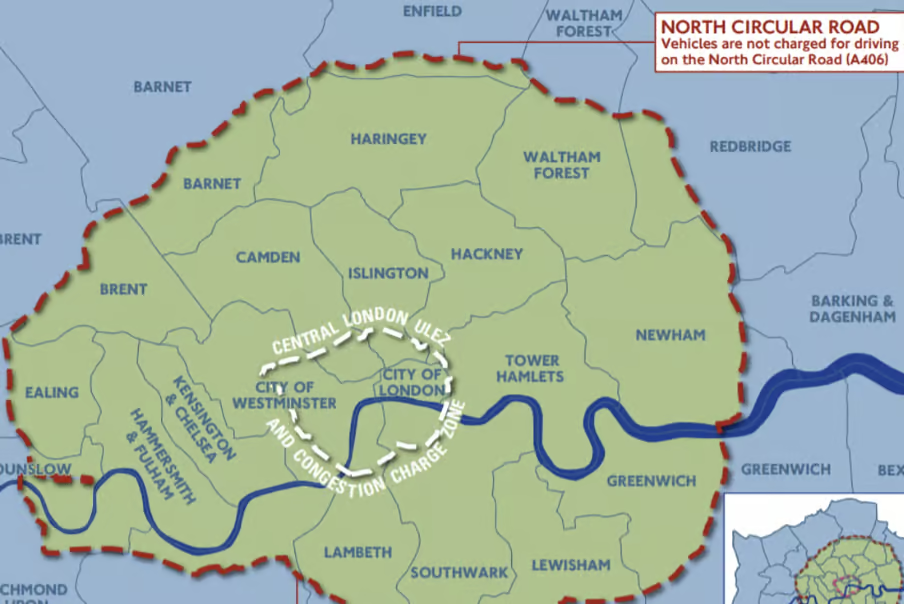
ULEZ map | Source: The Independent
Even with cleaner air, not everyone benefits equally in London. A 10 year BBC analysis showed that nitrogen dioxide pollution dropped by nearly 38% across London. While every area met the UK's legal limit, less than 1% met the World Health Organization’s safer guidelines.
Poorer areas and communities with larger ethnic minority populations saw the biggest drops in pollution, but they started with much dirtier air and are still the most polluted parts of the city.
This shows that overall progress can mask real inequalities. People living near busy roads – especially children, the elderly, and those with health issues – still face higher pollution risks, leaving them more vulnerable to lung and heart problems.

Ella Adoo-Kissi-Debrah | Source: The Guardian
The human cost of dirty air is tragically shown by the story of nine year old Ella Adoo-Kissi-Debrah, who passed away in 2013 from an asthma attack. In a landmark 2020 ruling, a coroner officially listed air pollution as a cause of her death, a first in the UK.
Ella's heartbreaking story fuelled calls for cleaner air, but campaigners stress that policy must also tackle the deep inequalities that leave vulnerable communities facing higher pollution. At the same time, the ULEZ fee creates a huge financial strain. Small businesses worry about losing customers, and workers on early or late shifts – who can't easily rely on public transport or afford a compliant vehicle – face difficult daily costs.
Ultimately, this highlights a key challenge: how to clean up the air and protect lives without placing an unfair financial burden on lower income families and workers.
To solve these issues, London needs to go further. Cleaner cars and traffic restrictions help, but they can't fix every source of pollution or the broader social inequalities behind poor health. Campaigners are urging leaders to set stricter air quality targets, invest directly in the most polluted areas, and better protect vulnerable residents.
Rest in Peace Ella Adoo-Kissi-Debrah
 0
 0
 0
 0
 0