
If you are from the UK, you may know of the British broadcaster, the BBC (British Broadcasting Corporation). Lately, there has been a lot of axing of its LGBTQ+ shows that were airing on BBC Three. The two first-ever same-sex dating shows in British history—I Kissed a Girl and I Kissed a Boy, respectively—both got axed early on this year, right before the broadcaster had to make more cuts due to how the BBC is funded by UK taxpayers who pay for a TV licence.
I Kissed a Girl and I Kissed a Boy both had high social media impressions, racking up over 115 million social media interactions, even though the first episode they ever aired only drew 163,000 viewers. Although that doesn't sound great, we have to remember that BBC Three is a side channel and not a regular broadcasting channel showing programmes 24/7, as BBC Three only airs from 7pm until 4am. The BBC had only begun showing a second series of I Kissed a Girl in March before declaring it was axed, citing "funding challenges" that the BBC confirmed, which then allowed the rest of the series to be aired later on in the year.
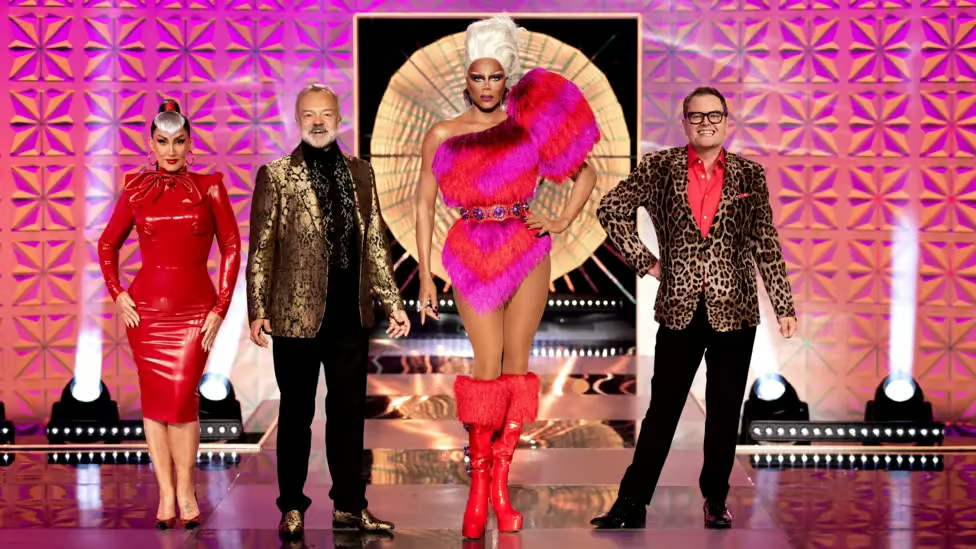
RuPauls Drag Race UK | Source: BBC
The budget cuts have also hit legacy queer programming. Fans waited years for a British adaptation of RuPaul’s Drag Race, which finally hit screens in 2019. After a highly successful run spanning eight series, BBC announced that Series 8 would be its last. This decision stems from the same severe financial pressures, with the broadcaster aiming to cut £500 million from its overall budget.
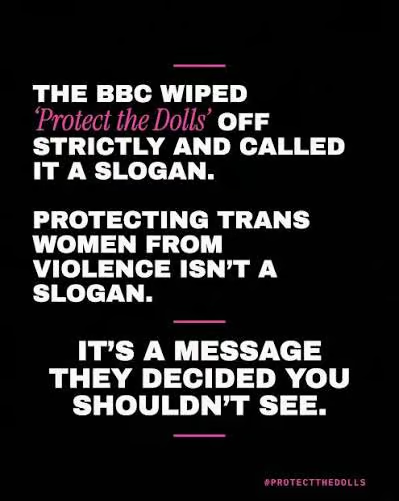
Beyond cancellations, recent broadcasting decisions have sparked intense debate. During a recent behind-the-scenes training VT on Strictly Come Dancing (known internationally as Dancing with the Stars), a contestant wore a T-shirt featuring the slogan "Protect the Dolls"—a phrase deeply tied to transgender visibility and support. While the slogan was clearly visible in social media promotional clips, the BBC blurred it out on television.
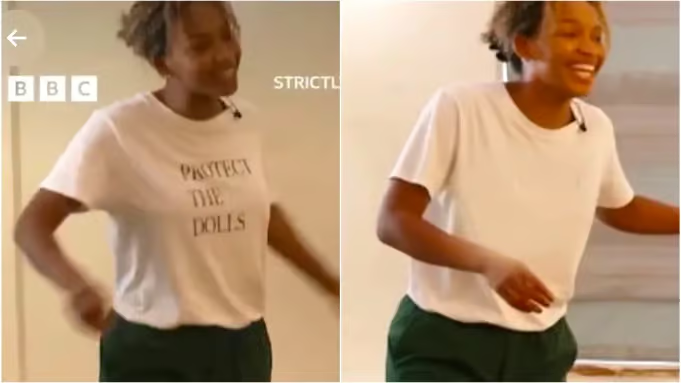
Bethany Antonia | Source: BBC
The BBC defended the decision, stating it is standard editorial practice to avoid "overt branding or slogans." Because the BBC is publicly funded and carries no commercial advertising, it must strictly adhere to regulations surrounding product placement and political impartiality. This is why presenters frequently use the phrase "other products/services are available" on air.
biminibabes | Source: Instagram
However, many viewers feel the blurring of "Protect the Dolls" carries a heavier weight given the current, highly charged climate surrounding trans rights in the UK. Adding fuel to the fire, following the rapid axing of its flagship LGBTQ+ content, the BBC has announced an upcoming two-part documentary focusing on J.K. Rowling.
What are your feelings on this from The BBC? Let me know in the comments.
 0
0 0
0 0
0 0
0 0
0