







Aliana
11 hours ago
Thanks Kasp!! It's something that means a lot to me and it needs more light, and tbh I didn't even know about it myself beforehand. :)
Idiopathic Intracranial Hypertension (IIH) is a rare neurological condition in which pressure from cerebrospinal fluid (CSF) builds up around the brain without a known cause. The condition can mimic the symptoms of a brain tumour, even though no tumour is present.
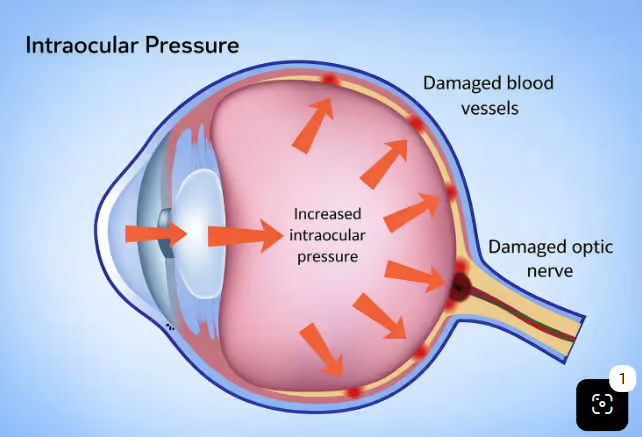
Intraocular pressure | source: South West Institute
Intracranial hypertension refers to increased pressure inside the skull. This pressure can develop suddenly as a result of a severe head injury, stroke, or brain aneurysm. It can also occur because of conditions that affect the brain, such as a brain tumour, meningitis, or encephalitis. When this increase in pressure occurs without an identifiable cause, it is known as idiopathic intracranial hypertension.
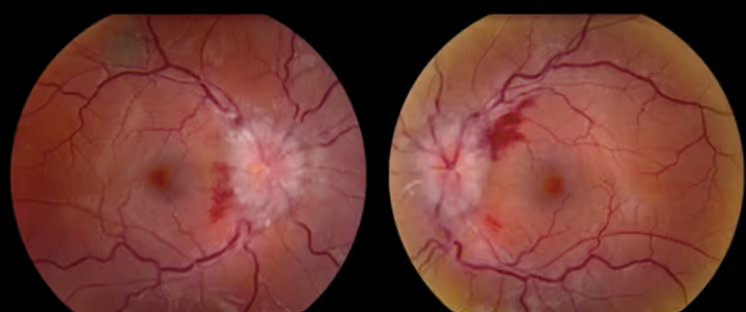
IIH eye | Source: fly club
The symptoms of IIH can vary from person to person but commonly include a constant throbbing headache that may be worse in the morning or when coughing. Some people experience temporary episodes of vision loss, where their sight becomes dark or grey for a few seconds at a time. These episodes can be triggered by coughing, sneezing, or bending down. Other symptoms may include nausea, vomiting, drowsiness, irritability, sensitivity to light, a rhythmic pulsing noise in the ears known as pulsatile tinnitus, problems with coordination and balance, confusion, weakness, or loss of sensation.
Anyone who develops a sudden severe headache, a sudden change in vision, confusion, weakness, or symptoms following a recent head injury should seek urgent medical attention. Emergency help should also be sought if these symptoms are accompanied by a high temperature or a general feeling of being unwell.
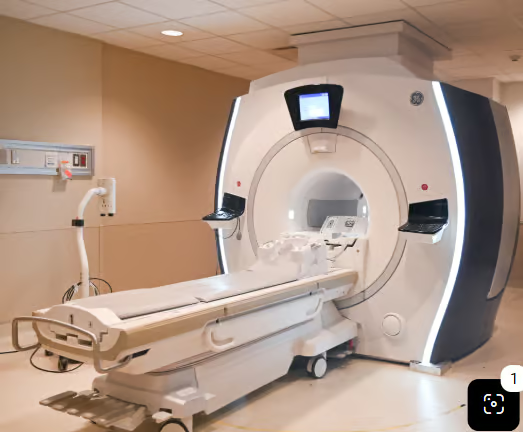
MRI Scan | source: EPYUPT
IIH is diagnosed through a combination of tests designed to confirm increased pressure around the brain while ruling out other possible causes. A healthcare professional will take a detailed medical history, discuss symptoms, and perform a physical examination. Further investigations typically include an eye examination to look for signs of pressure affecting the optic nerves, visual field testing to identify blind spots, brain imaging such as a CT scan or MRI scan, and a lumbar puncture, also known as a spinal tap, to measure cerebrospinal fluid pressure.
Early diagnosis is important because untreated IIH can lead to permanent and irreversible vision loss. The main aim of treatment is to reduce pressure around the brain, relieve symptoms, and protect eyesight. Treatment depends on the severity of the condition and may involve medication, weight management, regular monitoring, or surgical intervention. Healthcare professionals use the results of diagnostic tests to determine the most appropriate treatment plan and assess whether problems with cerebrospinal fluid circulation or blood flow may be contributing to the increased pressure. In severe cases, surgery may be required to prevent permanent damage to vision.
Although IIH is a rare condition, prompt diagnosis and treatment can significantly improve outcomes and reduce the risk of long-term complications. Anyone experiencing persistent headaches, visual disturbances, or other concerning neurological symptoms should seek medical advice as soon as possible.
 2
2 0
0 0
0 0
0 0
0
| Kasp 12 hours ago Really fascinating and insightful article as always Ali. |
Aliana 11 hours ago Thanks Kasp!! It's something that means a lot to me and it needs more light, and tbh I didn't even know about it myself beforehand. :)Kasp 11 hours ago Honestly I think it's the same for many medical conditions and I suppose since there are just so many it'll always be that way.Aliana 10 hours ago in my opinion its such a sad reality, like I said it needs more lights and just not IIH, more conditions do, I think it would be easier for anyone going through it. If I knew anything about IIH before being told by a doctor its a possibility it would have helped me:)Aliana 10 hours ago not just* |