


GCSE results day arrived on Thursday 20th August for many students across the UK.
While the headline figures suggest that little has changed since last year, a closer look at the 2026 results reveals several important trends. Top grades have edged upwards, the gap between boys and girls has narrowed, and regional differences in attainment have continued to grow. Meanwhile, increasing numbers of students are resitting English and maths after the age of 16.
Results remain broadly stable
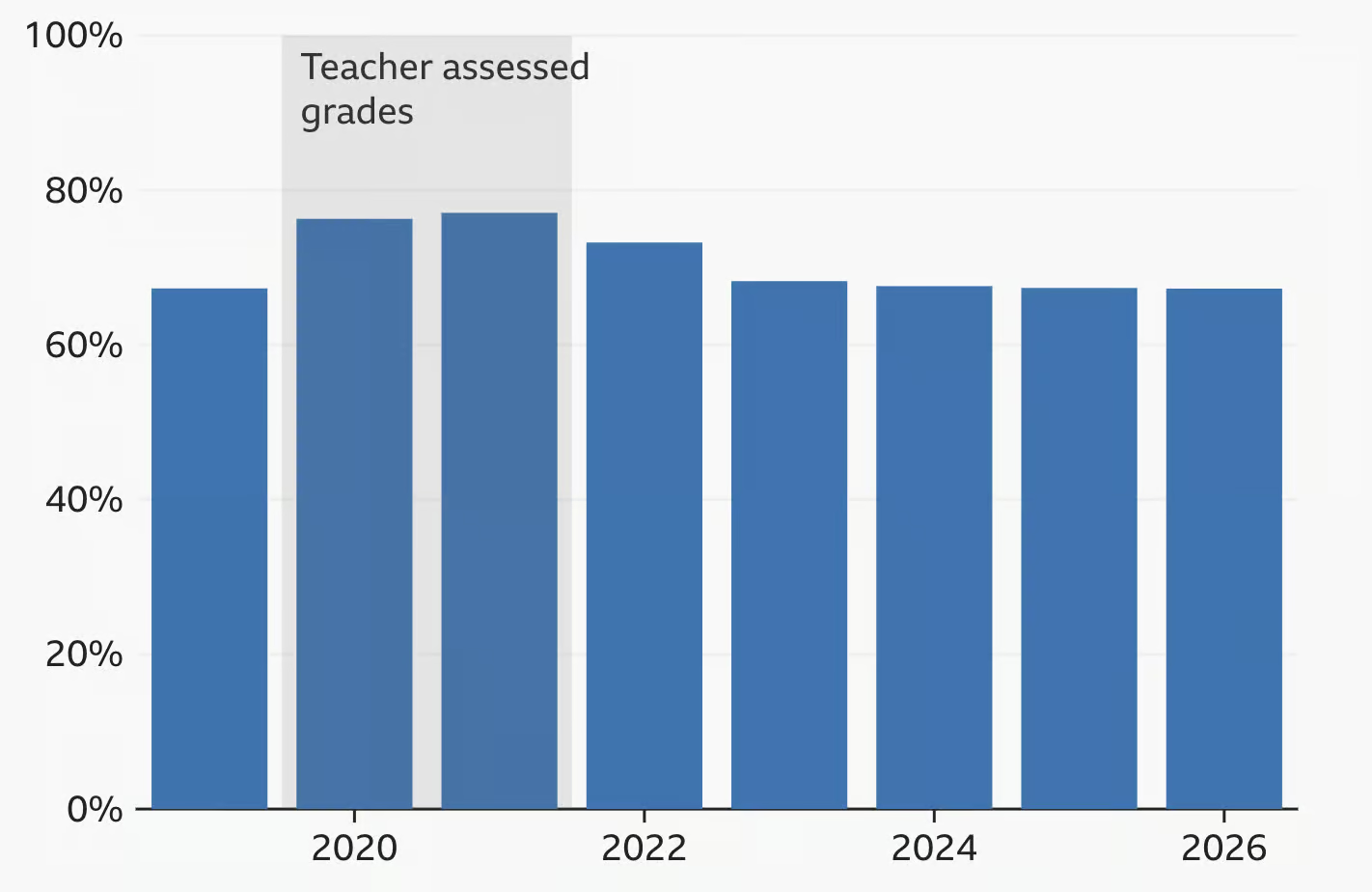
GCSE pass rates from 2019 to 2026 | Source: BBC
Across England, Wales and Northern Ireland, 67.3% of GCSE results were graded 4/C or above, only slightly below the 67.4% recorded in 2025. The figure is also exactly the same as the pre-pandemic figure recorded in 2019.
Among 16 year olds in England, however, the proportion achieving a grade 4 or above increased from 70.5% to 70.7%. At the other end of the grading scale, 23.1% of results for 16 year olds in England were awarded grades 7 to 9, up from 23% last year. The proportion achieving the highest grade, grade 9, remained unchanged at 5.2%.
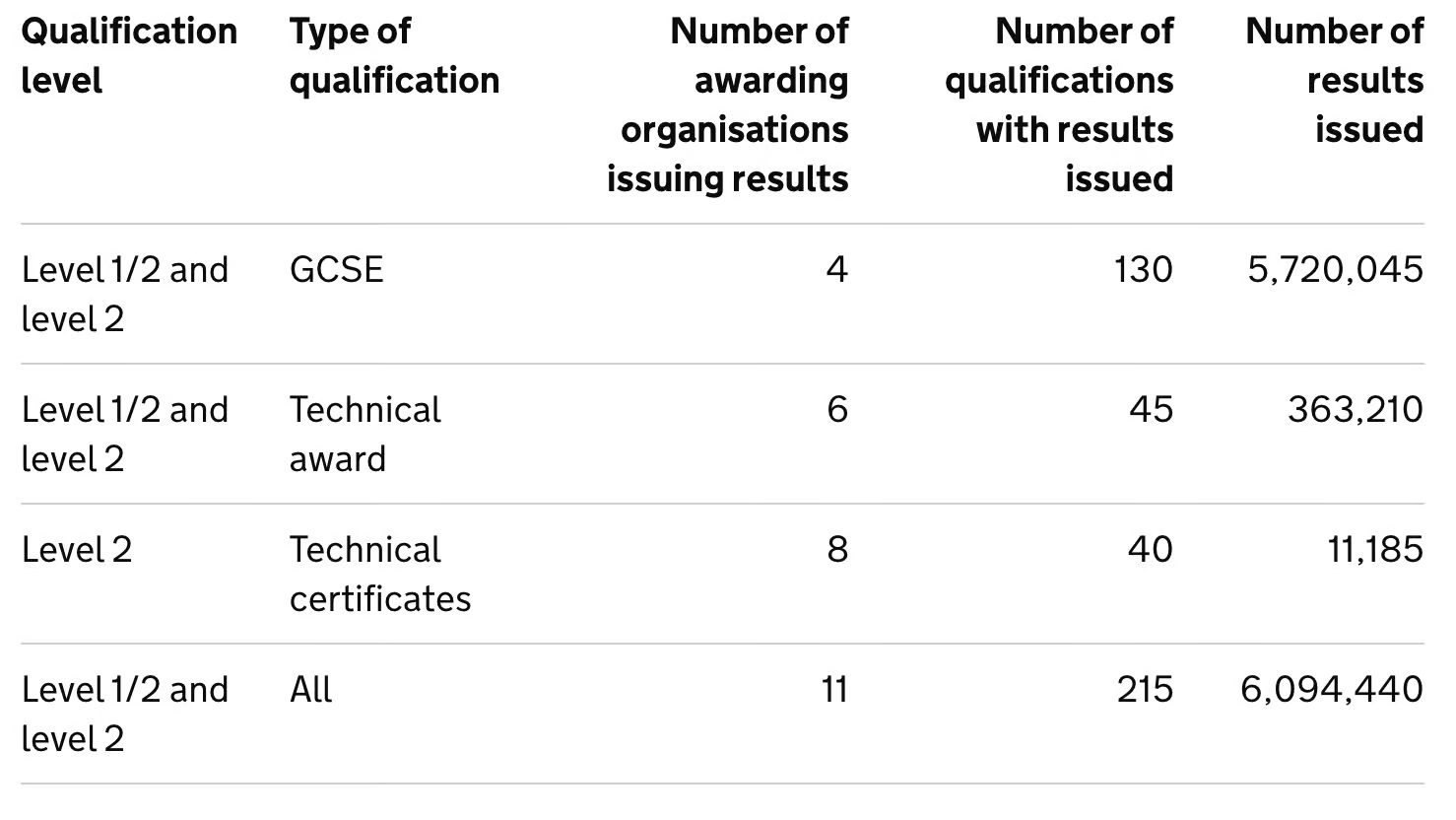
Level 1/2 and Level 2 qualifications, 2026 | Source: Ofqual
The figures also show that GCSEs remain only part of the qualifications being taken by young people. The attached Ofqual data records more than 5.72 million GCSE results issued, alongside more than 363,000 Technical Award results and over 11,000 Technical Certificate results.
GCSE English & Maths
Although the overall picture is relatively stable, English and maths results continue to attract attention. Across all ages, the proportion achieving a grade 4 or above in English language fell from 59.7% to 59.5%. In maths, the figure dropped from 58.2% to 57.2%.
However, these figures do not tell the whole story. Large numbers of older students are now taking English and maths GCSEs again after failing to achieve a grade 4 at 16. Students aged 17 and over accounted for 24.3% of English language and maths entries, up from 23.4% last year.
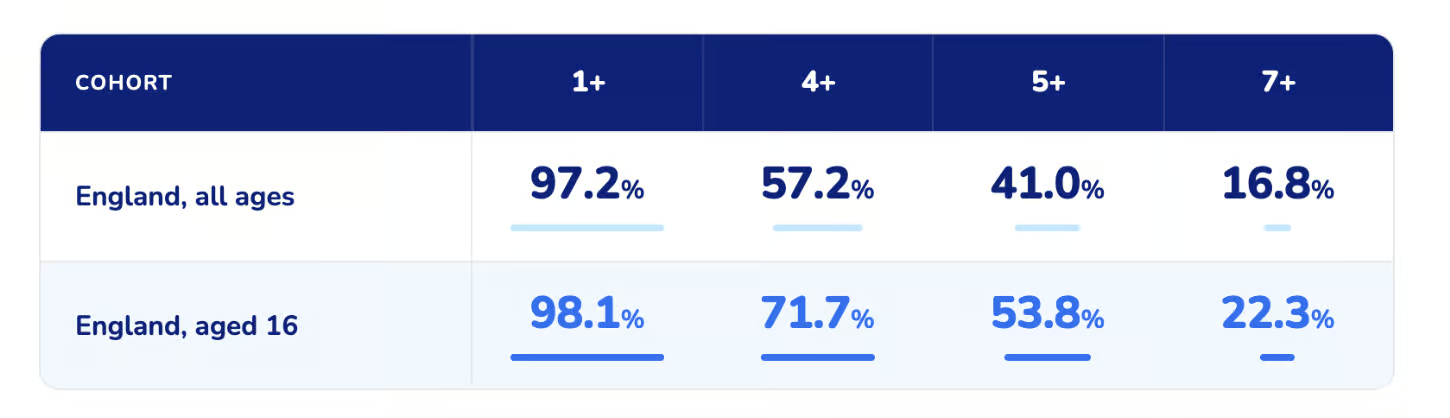
GCSE maths outcomes in England, all ages and 16 year olds | Source: Third Space Learning
Only 19.8% of English language entries and 15.3% of maths entries from students aged 17 and over achieved a grade 4 or above. For some GCSE students, the picture is considerably more positive. The proportion achieving grade 4 or above in English language actually increased, while the maths figure remained almost unchanged.
This has brought up questions about whether repeatedly requiring students to resit GCSE English and maths is the best route for everyone. The government plans to introduce a new Level 1 “stepping stone” qualification from 2028 for some students who do not achieve the required GCSE grades.
The Gender Gap Narrows

Parkwood students celebrate GCSE results | Source: Sheffield Star
Girls continue to achieve higher grades than boys, but the difference between the two groups has narrowed again. Across England, Wales and Northern Ireland, the gap between boys’ and girls’ overall pass rates has fallen to 5.8 percentage points, compared with 6.2 points last year and 9.5 points in 2017.
For GCSE students in England, girls continued to perform better at the highest grades, with 25.5% achieving grade 7 or above, compared with 20.7% of boys. However, the narrowing gap should not necessarily be interpreted as boys making dramatic improvements. In several measures, girls’ results have fallen slightly while boys’ results have increased.
London remains ahead as regional gap grows
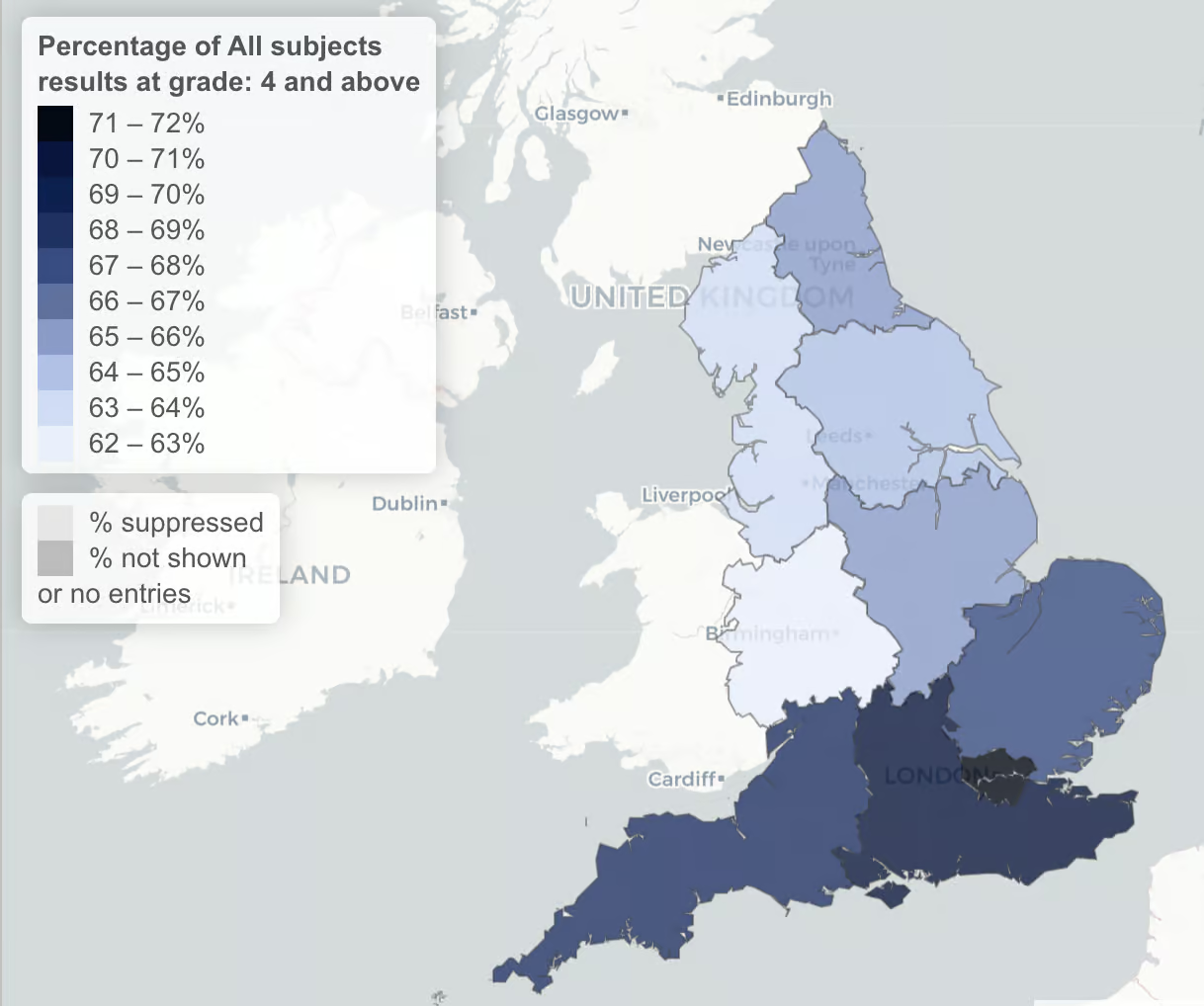
Map of GCSE grade 4+ outcomes by administrative areas in England | Source: Ofqual
One of the most striking findings from this year’s results is the continuing difference between regions. London recorded the highest proportion of students achieving grade 4 or above, at 71.7%, while the West Midlands had the lowest, at 62.4%.
That creates a gap of 9.3 percentage points, wider than the 8.7 point difference recorded last year. The divide is even more noticeable when looking at the highest grades. London recorded 28.6% of results at grade 7 or above, compared with just 17.7% in the North East.
The gap between the highest and lowest performing regions at grade 7+ has now reached 10.9 percentage points, compared with 10.4 in 2025. These numbers have raised questions about educational inequality, particularly as regional differences remain wider than they were before COVID.
What do the results mean?

Students opening their GCSE results | Source: The Guardian
Overall, the 2026 GCSE results do not represent a shift from last year. Instead, they show a gradual change.
Top grades for students have risen, while the overall grade 4 pass rate has remained somewhat stable. Simultaneously, the number of english and maths resits shows difficulties faced by students who do not achieve the required grades.
For students receiving their results, however, national statistics are only part of the situation. Whether they achieved the grades they wanted, missed out on a particular sixth form or college, or are now considering an apprenticeship or vocational qualification, results day marks the beginning of a new stage rather than the end of their education.
 0
0 0
0 0
0 0
0 0
0