



Students moving out for university | Source: UniHomes
For many students, starting university has meant packing, leaving the family home and moving into student accommodation. But for an increasing number of students across the UK, that typical university experience is changing.
New figures from UCAS show that more young people are planning to live at home while studying than at any point in the past nine years. More than 81,000 UK 18 year olds said in their accepted university application that they intended to remain at home this year. That works out at just over one in three students in this group. Around ten years ago, the figure was closer to one in five.
The rise comes as students face growing accommodation prices alongside the wider cost of living, forcing many to reconsider not only where they study but also what their university experience will look like.

Students moving onto campus | Source: University of York
The decision to live at home is particularly noticeable in parts of the UK. In Scotland, almost half of accepted applicants indicated they planned to stay at home, compared with around one in five in Wales. For some students, commuting is simply the most realistic way to afford university. Beatrice and Amelia, friends from St Helens, Merseyside, are both beginning university this September, but neither plans to move into halls.
Beatrice will study maths at the University of Manchester and will be travelling by train. The journey can take around 50 minutes, but she says the alternative of paying for accommodation would have cost thousands of pounds each year.
Amelia, who will study at Liverpool John Moores University, faces a shorter journey of around 20 minutes by train. However, she found accommodation costing between £300 and £400 a week, making staying at home a much more attractive option. Neither student is particularly excited about commuting, but both hope they can still enjoy university life despite returning home after lectures.
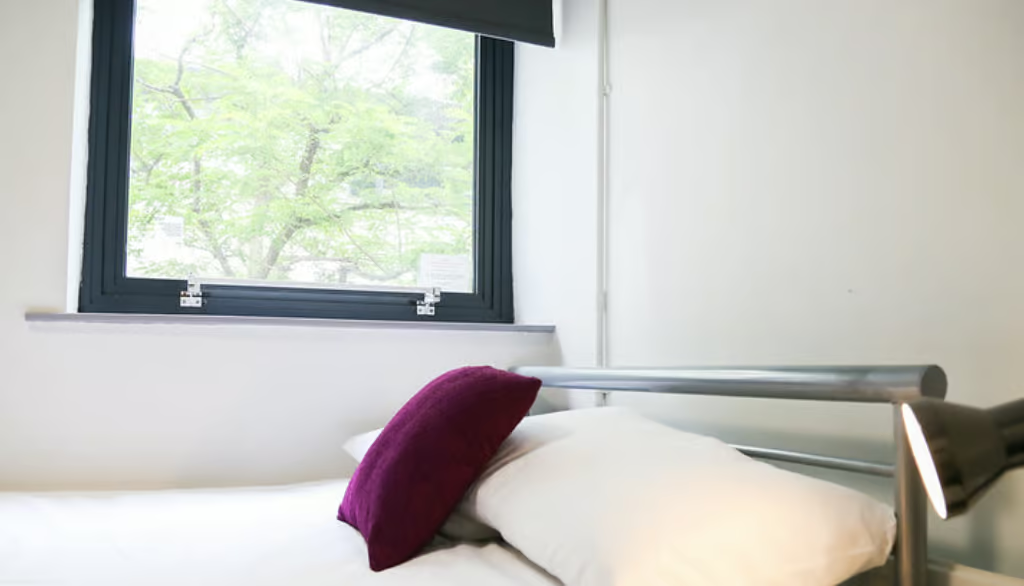
Student Accommodation | Source: Queen Mary's University London
For another student, Jessica, the choice feels more frustrating. She is heading to Liverpool John Moores University and would have liked to experience living on campus. Instead, she says accommodation prices are "ridiculous" and "insane". Jessica already has a part time job because of how expensive everyday life has become, and she worries that travelling to university will take away even more of her free time. There is, however, one advantage she is looking forward to: going home to her parents and enjoying a cooked dinner. Living at home can save students thousands of pounds, but the financial benefit can come with a different set of challenges.
Long journeys can mean earlier mornings and later evenings, while students may find it harder to socialise with coursemates. Missing final trains home can also turn a night out into a difficult decision. For students who live close enough to campus, however, commuting can be a practical compromise.
Universities themselves are increasingly recognising the growing number of commuter students. The University of Greenwich, for example, says more than a third of its students commute, while other universities have introduced dedicated support, social networks and financial assistance for students who travel to campus.
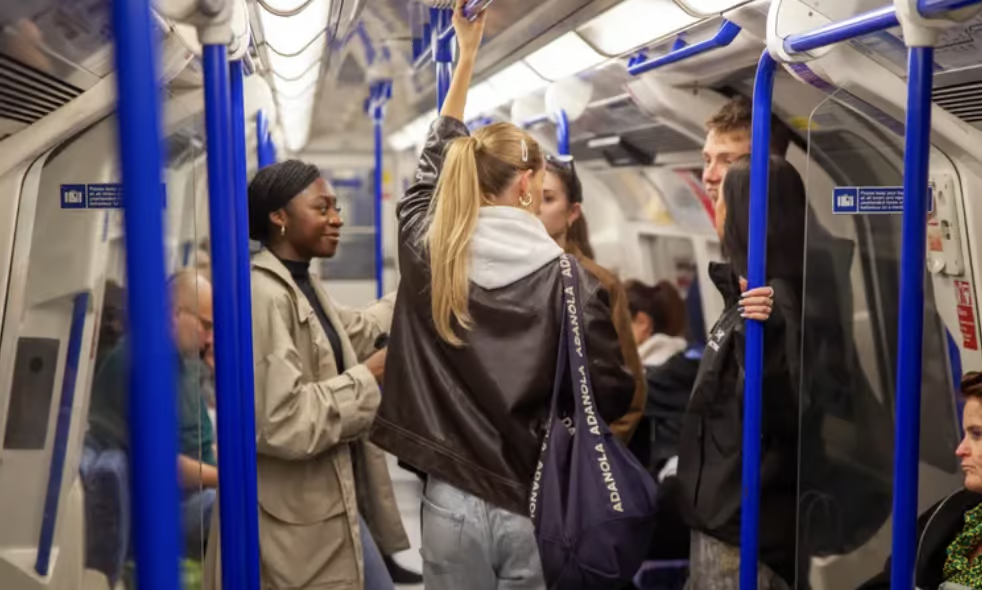
Students travelling to university by train | Source: Higherin
For many students, living at home is a practical way to manage the rising cost of university, but it can also feel like a decision shaped by financial pressure. Students from the most disadvantaged areas are far more likely to stay at home than those from wealthier backgrounds, highlighting how accommodation costs can affect the university experience. With rents reaching hundreds of pounds a week in some areas, especially London, staying at home can save students thousands while still allowing them to attend university, join societies and make friends.

Students graduating | Source: York Vision
As more young people turn to commuting and online study, the idea of moving away for university may be changing. Living away from home offers great life experiences and can help students build friendships and connections, but not everyone can afford it. With high numbers still choosing higher education, the issue is no longer whether young people want to go to university, but whether they can afford to experience it in the way they want.
 1
1 0
0 0
0 0
0 0
0





| Bri 3 days ago i’m gonna be honest when I was in university I lived on campus and I think the living conditions were really bad and I found myself going home every weekend so I don’t blame students that are currently enrolled living at home and making a commute because it’s so much better to live at home in a clean environment than it is to live in our university where students don’t care and cleanliness isn’t really all there |