
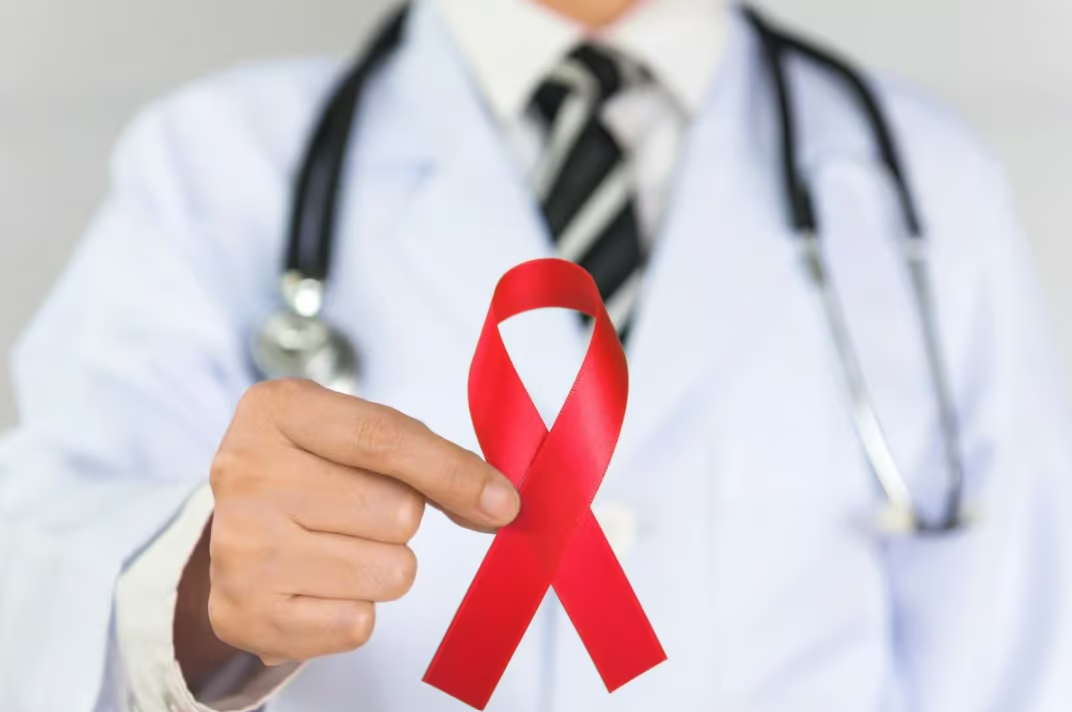
Stroke awareness | source: Support store
A stroke happens when the blood supply to part of the brain is cut off, starving brain cells of oxygen. This can happen because of a blockage (ischaemic stroke) or a bleed in the brain (haemorrhagic stroke). Without urgent treatment, brain cells can be damaged within minutes.
A stroke is one of the leading causes of death and disability in the UK. Strokes strike every five minutes, and around 100,000 people have a stroke each year. These figures highlight the importance of recognizing the signs of a stroke and acting quickly to seek medical help.
Recognizing stroke symptoms quickly is critical. Know the signs and act FAST. The faster someone receives medical attention, the better their chances of survival and recovery.
Remember the FAST test: check whether one side of the face has dropped, whether the person can raise both arms and keep them there, and whether their speech is slurred or difficult to understand. If you notice any of these signs, call 999 immediately.
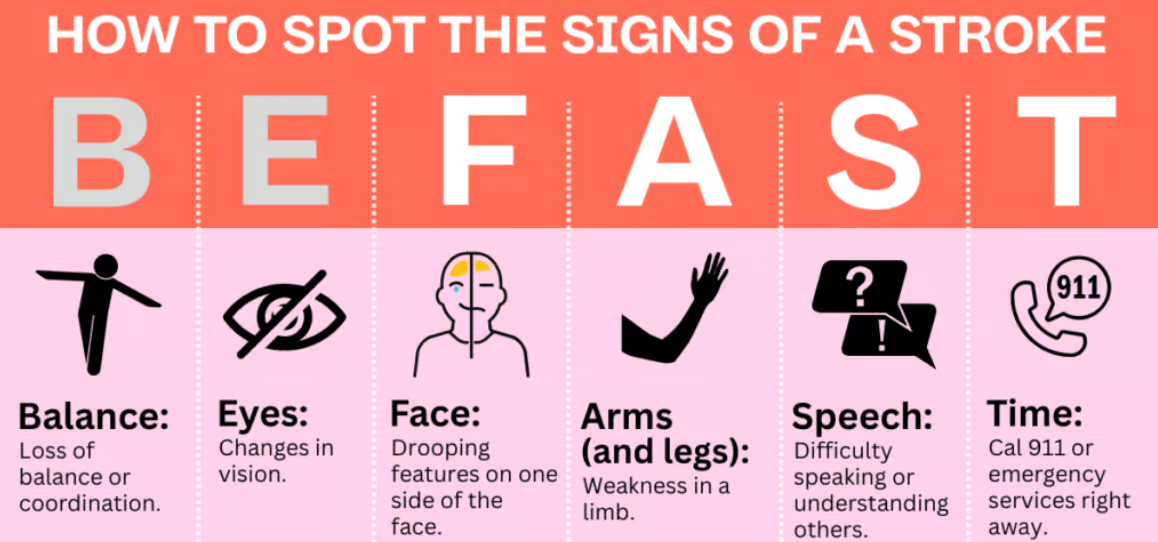
Signs of a strike | Source: Urgent Team
Even if the symptoms pass quickly, it could be a warning sign of a transient ischaemic attack (TIA), sometimes called a "mini stroke", and urgent advice is still essential.
A stroke is a medical emergency, and it is therefore important to act quickly. Every minute counts. Early treatment can reduce the risk of long-term disability and improve outcomes. Delaying action, even by a short time, can have serious consequences.
While not all strokes can be prevented, many are linked to lifestyle and underlying health conditions. Making small sustainable changes can have a significant impact over time. There are steps you can take to look after your own health and lower your risk.
Manage your blood pressure, as this can be the biggest risk factor for a stroke. Stay active, as regular physical activity supports heart and brain health. Eating a balanced diet with plenty of fruit, vegetables, whole grains, and reduced salt and saturated fat can also help. Eating a balanced diet and staying active will help you maintain a healthy weight. Stopping smoking and limiting your alcohol intake can also decrease stroke risk.
It is also important to attend regular health checks. Monitoring conditions like diabetes and high cholesterol can help reduce risk.
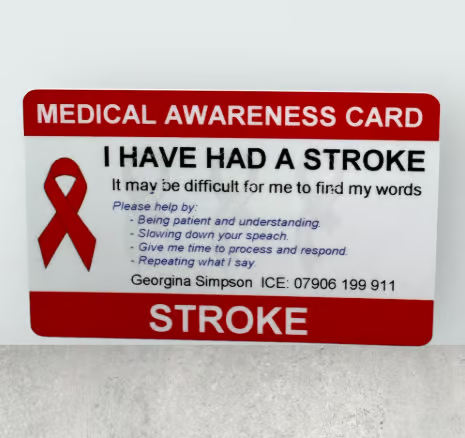
Stroke awareness card | source: Etsy
Thanks to advances in treatment and care, many people now survive strokes. However, there are still around 1.4 million stroke survivors living in the UK, many of whom continue to experience physical, emotional and cognitive challenges long after their stroke. A stroke can have a lasting impact on a person's physical and emotional wellbeing, as well as on their family and carers. Recovery is often a gradual process that may involve rehabilitation, ongoing support, and adjustments to daily life. Raising awareness helps build understanding and encourages a more supportive and healthy lifestyle. Everyone can play a part in reducing the impact of a stroke.
Knowing what to look for and acting quickly could save a life.
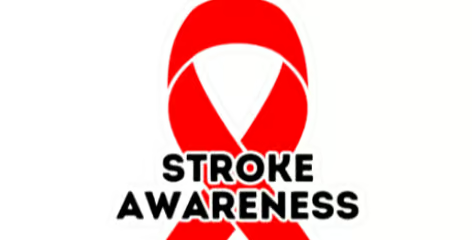
Stroke Awareness | Source: Etsy
 0
 0
 0
 0
 0