
Hello, and welcome back on board Transport Times
Starting on the railway, we’re heading over to East London, where a derailment has been derailing the journeys of Thurrock Commuters
This comes after a Freight train operated by GB Railfreight partially derailed at Barking, on its way from London Gateway. The derailment has damaged approximately 1.2 kilometres of track, as well as equipment and cabling used for Signalling.
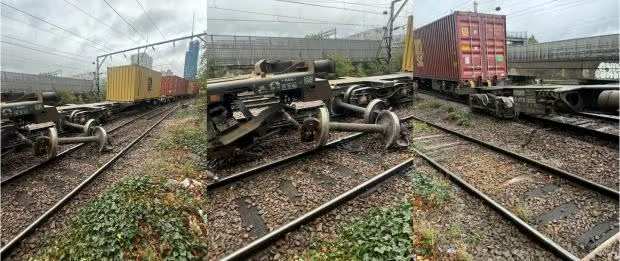
The Train derailed near Barking | Source: c2c
As a consequence of the incident, C2C services have been unable to run between Barking and Grays via Rainham, and London Overground Suffragette Line services have also been affected, with services unable to run between South Tottenham and Barking Riverside. Services are expected to resume on the 10th of November however, passengers are warned that this may change due to the complex operation being undertaken.
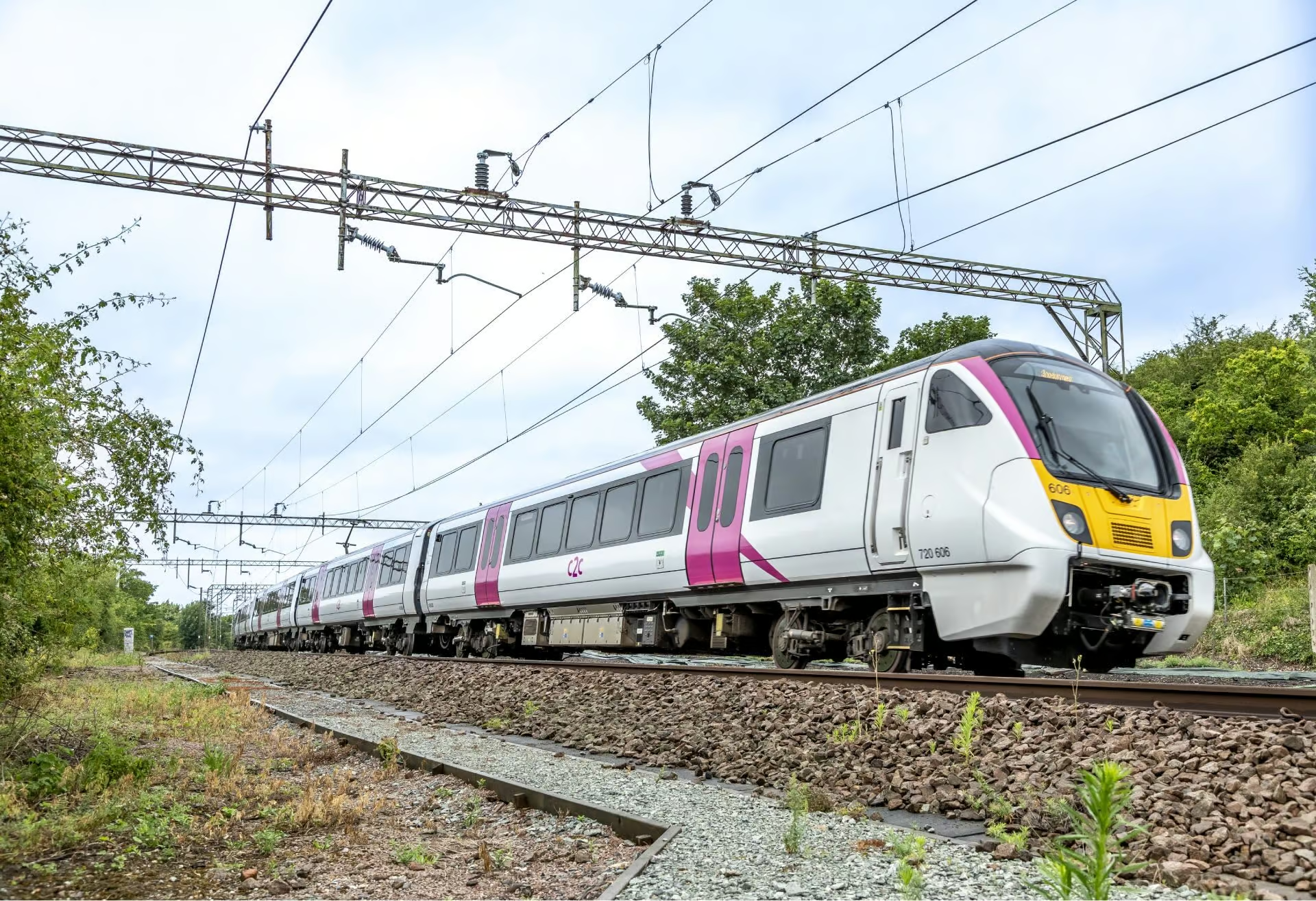
A C2C Class 720, one of two types used on the route affected. | Source: c2c
Martin Beable, Chief Operating Officer for GBR Anglia, said:
“At around 13:10 on Friday, we received reports of a partial derailment of a freight train at Barking station.
“The derailed train has been removed from the site, which has allowed our engineers to carry out detailed inspections of the damage and begin planning the extensive repairs needed to restore the railway.
“Unfortunately, due to the scale of the repairs required, we now expect disruption to continue until at least the week beginning 9 November, and remain committed to working with bodies across the industry as investigations continue.
“This remains a complex recovery operation due to the extensive damage caused to signalling equipment, cabling and around 1.2km of track. Much of the infrastructure cannot simply be repaired and must be completely rebuilt. This is a major undertaking, and our teams need the time to carry out the work safely and properly. “
Accessibility on Buses improves twofold
It’s been one month since the final deadline for compliance with the new Public Service Vehicles (Accessible Information) Regulations (PSVAIR) passed, and all operators have now been installing the necessary equipment to meet the new law.
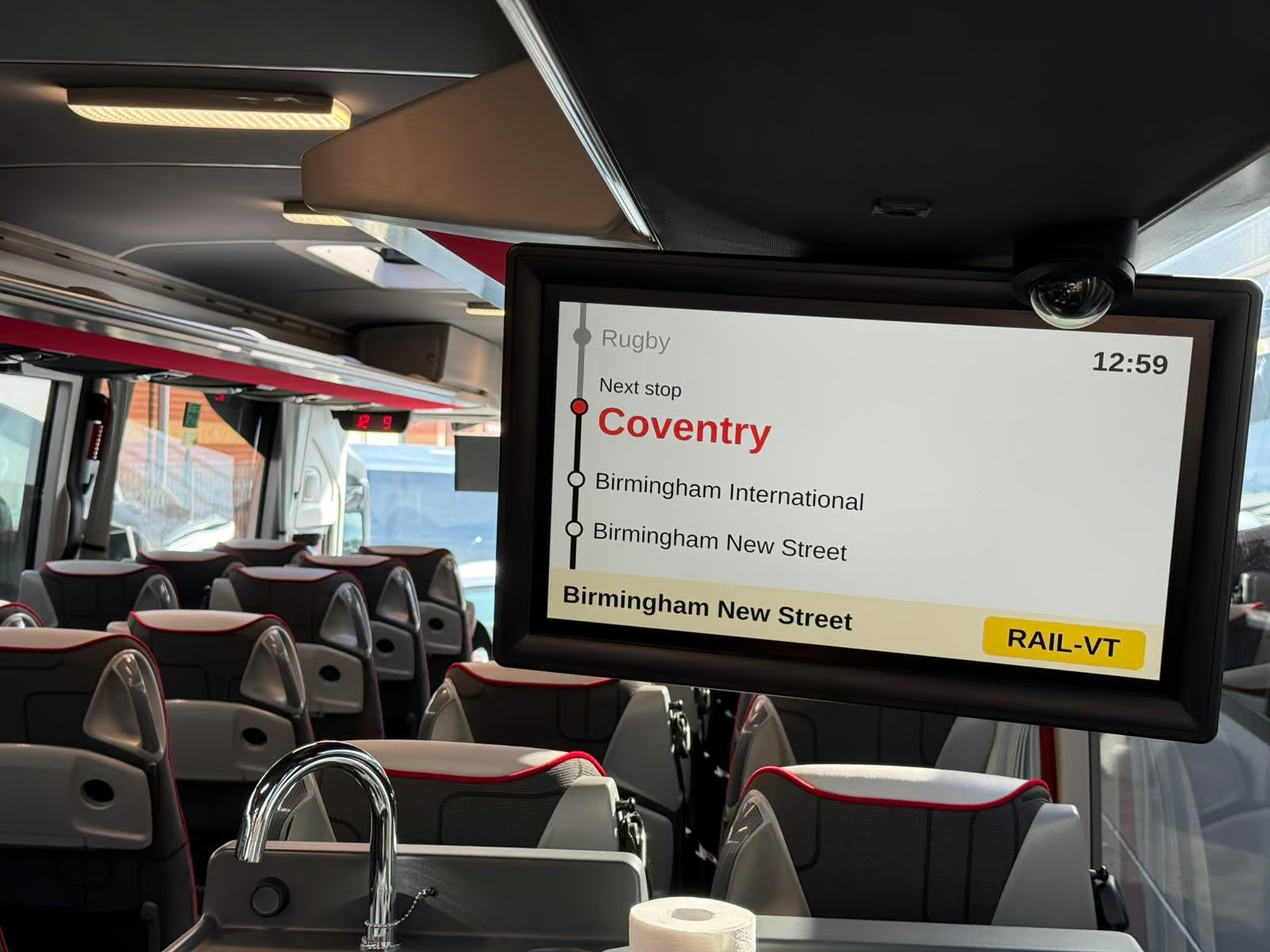
A Next Stop display system fitted onboard a coach | Source: it9
Under the new regulations, a bus on a local service must now have:
- - The route number and the final destination of the service announced whenever the doors open
- - The next stop announced in plenty of time
- - Notice that the vehicle has reached its final stop
- - And notice of a Diversion in place.
Now, it’s worth mentioning that although the deadline has passed, some operators have been given an extension on the compliance, provided they are actively fitting it to their fleet and making changes to meet compliance, so some buses you go on might not yet have the equipment working!
See it, Say it, Sorted.
We all know this slogan if we’re in Britain; it’s the slogan after the repetitive announcement about how to quickly alert the British Transport Police of an issue on the Railway. Well, it’s been protecting us for 10 years as of Friday
Since its launch, the British Transport Police has received over 1.5 million texts to the system where users can text suspicious behaviour to the shortcode 61016. It’s sitting around 200,000 texts a year now to the force.
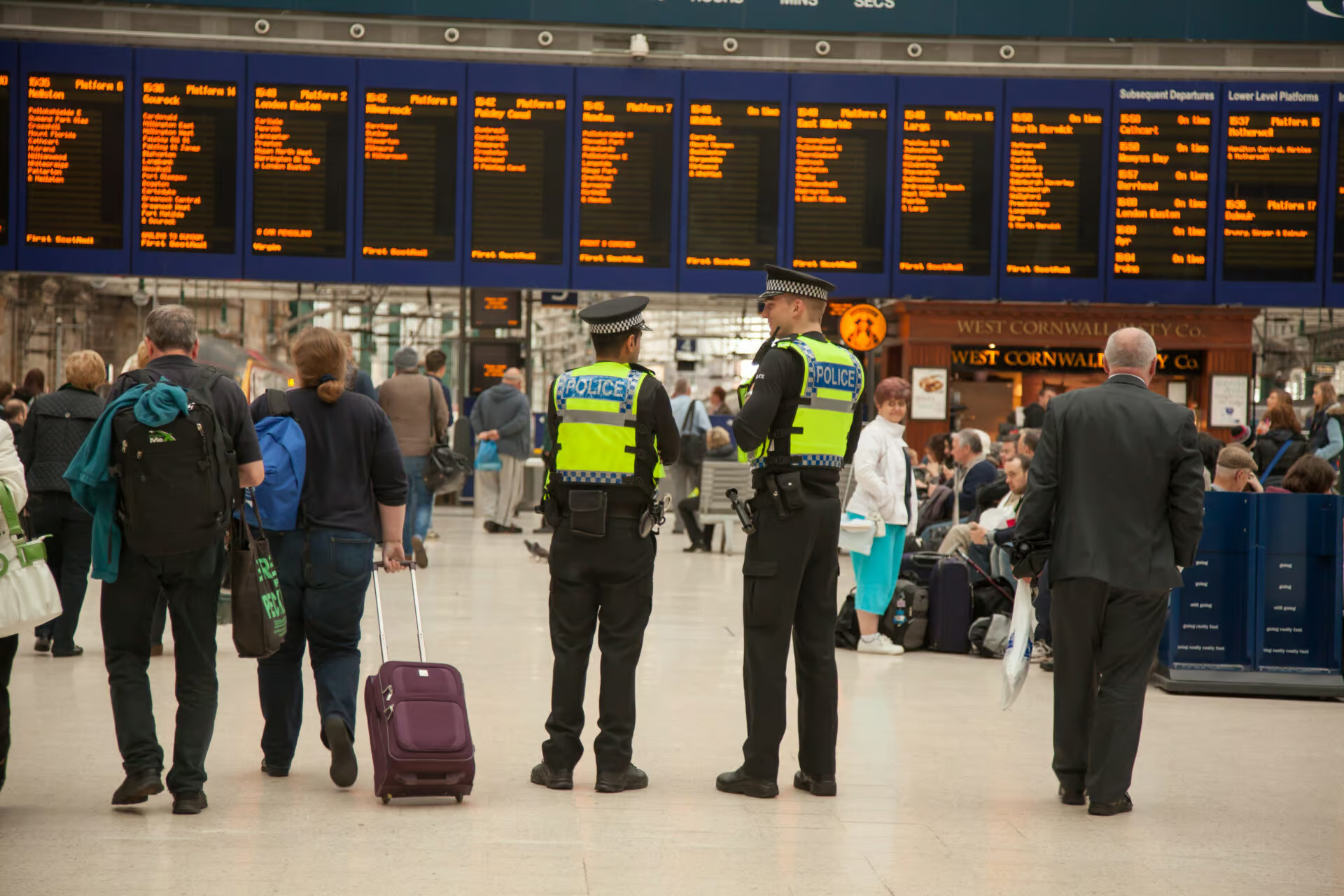
British Transport Police at Glasgow Central | Source: RailUK
Lucy O’Orsi, Chief Constable of the British Transport Police, said this about the service.
“For 10 years, ‘See it. Say it. Sorted.’ has encouraged passengers to report anything that doesn’t feel right, helping raise awareness of British Transport Police’s 61016 text service, which now receives more than 25,000 messages each month. "
“The free, discreet service allows passengers to report crime, suspicious behaviour and sexual harassment directly to us, enabling swift action to keep people safe and bring offenders to justice. The public are our eyes and ears on the railway, and their vigilance continues to play a vital role in helping keep the network safe.”
That’s all from me this week, until next week. Keep on travelling!
 0
 0
 0
 0
 0