


Nigeria has confirmed an Ebola case in Abuja. The case was confirmed on 20th October after a female patient who had travelled to Nigeria tested positive for Bundibugyo virus disease, a rare form of Ebola. The patient developed symptoms on 7 October and sought medical attention at a hospital in Abuja on 11th October. She is now in isolation and receiving medical care, according to the World Health Organisation (WHO).
Nigeria’s Health Minister, Muhammad Ali Pate, said laboratory tests had confirmed the infection. Authorities have identified 44 people who had close contact with the patient and are monitoring them to reduce the risk of further transmission.
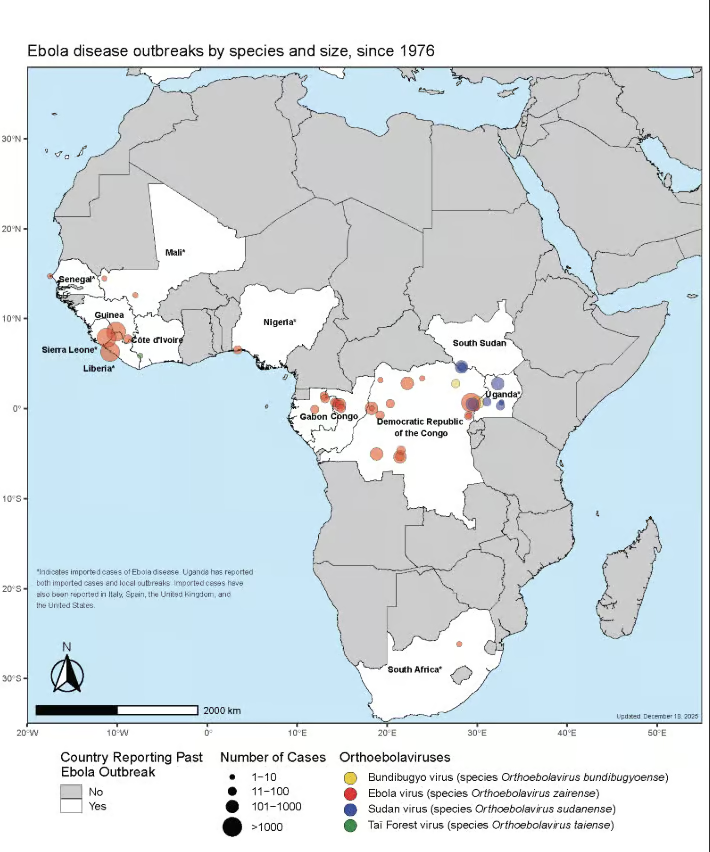
Ebola outbreaks in Africa since 1976 | Source: CDC
The patient’s travel history is still under investigation. Uganda’s Ministry of Health said information indicated that she had travelled to DR Congo for business before passing through Uganda at the start of October. Ugandan health officials said that travelling through the country did not necessarily mean the woman became infected there. They also stated that Uganda had no confirmed active Ebola cases at the time of the announcement.
The incubation period for Bundibugyo virus disease ranges from 2 to 21 days. This means people exposed to the virus may not develop symptoms for multiple weeks.
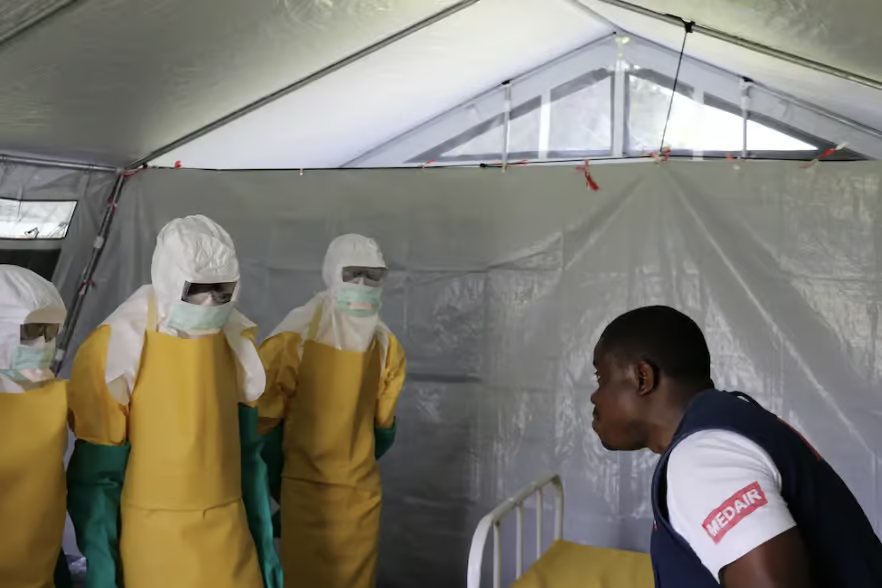
Healthcare workers during Ebola outbreak | Source: Medair
Nigeria has activated its emergency response arrangements. Health officials are working with the WHO to investigate the case, trace contacts and increased infection prevention measures.
Nigeria is the latest country to report an Ebola case linked to the current outbreak, which started in DR Congo. Kenya reported its first confirmed imported case on the 6th of October, and the country had recorded 9 cases, including 1 death, by the 20th of October. The 8 additional cases were linked to the original patient, with no evidence of wider community transmission.
The table below summarises the information provided by the WHO:
| Country | Date Reported | Confirmed Cases |
| DR Congo | 15/05/2026 | 9,704 |
| Kenya | 06/10/2026 | 9 |
| Nigeria | 20/10/2026 | 1 |
| Uganda | 15/05/2026 | 20 |
| France | 24/06/2026 | 1 |
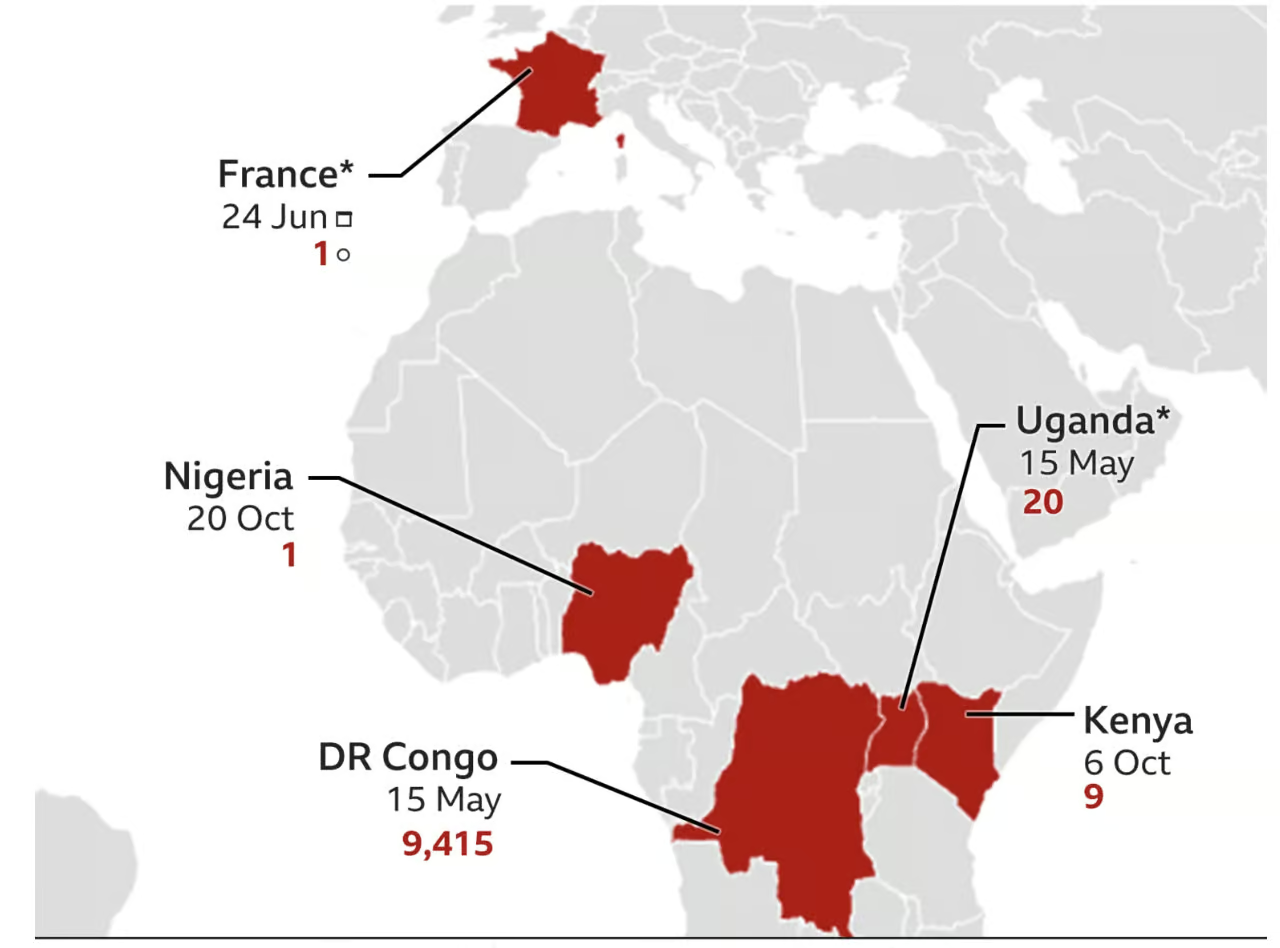
Confirmed Ebola Cases as of 2026 | Source: BBC
Bundibugyo virus disease is a severe illness caused by the Bundibugyo virus, one of the viruses responsible for Ebola. It can cause fevers, fatigue, muscle pain, headaches and sore throat before worsening to symptoms such as: vomiting, diarrhoea and organ dysfunction. Some patients may also experience internal or external bleeding.
The virus can spread through direct contact with the blood or other bodily fluids of any infected person. There is currently no vaccine or specific treatment for Bundibugyo virus disease, although clinical trials are beginning soon.
 1
 0
 0
 0
 0






| Brett 12 hours ago apparently this is the largest Ebola outbreak to date. yet not much talk about it! |