

Diplopia | Source: Sway Medical
Diplopia (Double Vision)
Diplopia, more commonly known as double vision, is a condition in which a person sees two images of a single object instead of one clear image. These images may appear side by side (horizontal diplopia), one above the other (vertical diplopia), or at an angle. In some cases, the eyes may appear misaligned or crossed due to the difficulty of both eyes focusing on the same target. Although double vision is often temporary, it can sometimes be a sign of a more serious underlying health condition.
There are two main types of diplopia: monocular diplopia and binocular diplopia. Monocular diplopia affects only one eye and remains present even when the unaffected eye is closed. It is usually caused by a problem within the eye itself. Binocular diplopia occurs only when both eyes are open and disappears when either eye is closed, typically because the eyes are not properly aligned and are unable to focus on the same object at the same time.

Double vision | Source: Instituto Espai
The causes of diplopia vary depending on the type. Monocular diplopia is commonly associated with eye conditions such as cataracts, astigmatism, dry eye syndrome, keratoconus, and disorders affecting the cornea or retina. Binocular diplopia, however, is usually linked to problems affecting eye movement or alignment, including strabismus (squint), cranial nerve palsies, thyroid eye disease, diabetes, multiple sclerosis, myasthenia gravis, and neurological conditions such as head injuries or stroke.
Anyone who develops new or unexplained double vision should arrange an appointment with an optician or GP for assessment. While some causes are relatively harmless and easily treated, others may require urgent medical attention. Immediate medical advice should be sought if double vision develops suddenly or is accompanied by symptoms such as a severe headache, eye pain, a drooping eyelid, weakness on one side of the body, or follows a head injury, as these may indicate a serious underlying condition.
Diagnosing diplopia involves a structured clinical assessment to determine both the type of double vision and its underlying cause. One of the first investigations is the cover test, where each eye is covered in turn to establish whether the double vision is monocular or binocular. Clinicians may also assess the nine cardinal positions of gaze, observing how the double vision changes as the patient looks in different directions. This can help identify weakened eye muscles or problems affecting the nerves responsible for eye movement.
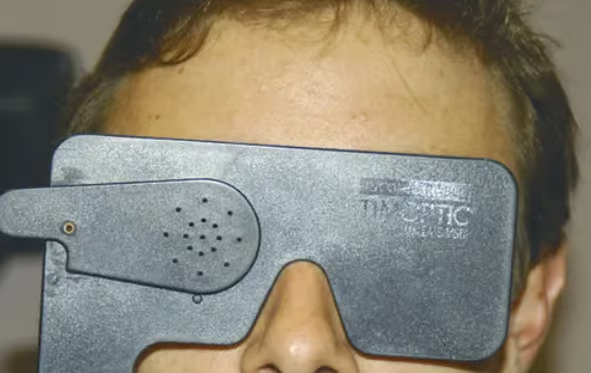
Diplopia | Source: Ento Key
In cases of binocular diplopia, the pupils are examined carefully, as an enlarged or abnormal pupil may indicate nerve compression caused by a serious condition such as an intracranial aneurysm. When double vision develops suddenly, or there are concerns about a neurological cause, imaging tests such as MRI or CT scans may be requested to rule out conditions including stroke, brain tumours, aneurysms, and demyelinating diseases.
 0
 0
 0
 0
 0