
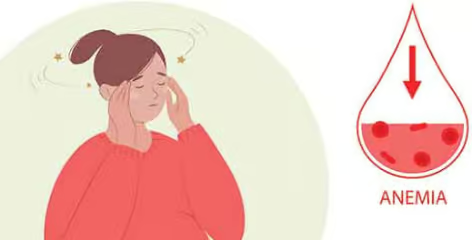
Iron deficiency anaemia is a condition caused by a lack of iron in the body. This often results from blood loss, pregnancy, or not getting enough iron in your diet. It is usually treated with iron supplements and by eating more iron-rich foods.
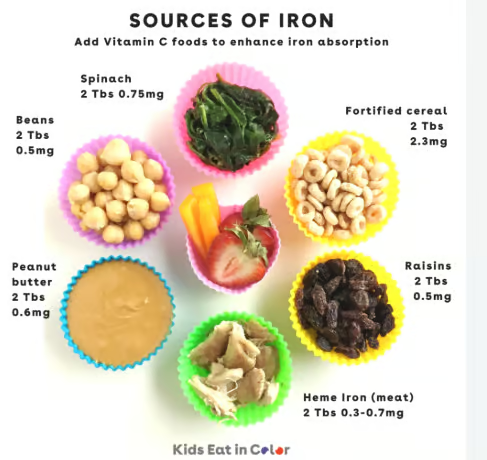
Sources of iron | source: Kids Eat in Colour
Common Symptoms
Some of the most common symptoms of iron deficiency anaemia include:
- Tiredness and lack of energy
- Shortness of breath
- Noticeable heartbeats (heart palpitations)
- Paler than usual skin
- Headaches
Less Common Symptoms
Less common symptoms can include:
- Ringing, buzzing, or hissing noises in the ears (tinnitus)
- Food tasting unusual or strange
- Itchy skin
- A sore tongue
- Hair loss, particularly when brushing or washing hair
- Craving non-food items such as paper or ice (known as pica)
- Difficulty swallowing (dysphagia)
- Painful sores (ulcers) in the corners of the mouth
- Changes to the nails, such as spoon-shaped nails
- Restless legs syndrome
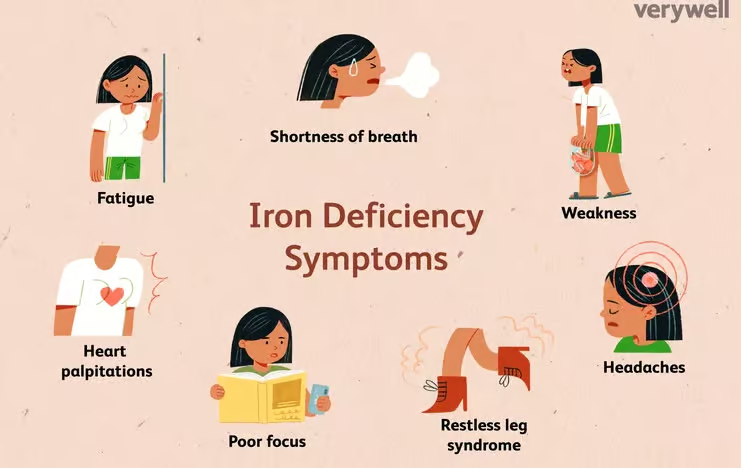
Iron deficiency symptoms | Source: Verywell
Diagnosis and What to Expect at a GP Appointment
Iron deficiency anaemia is usually diagnosed through a blood test. If left untreated, symptoms can worsen and may begin to affect daily activities and overall wellbeing. If you visit your GP because you think you may have iron deficiency or anaemia, the appointment will focus on assessing your symptoms, arranging blood tests, and identifying any underlying causes.
Your GP will ask about your symptoms, including those which are commonly associated with iron deficiency anaemia, as well as your diet, lifestyle, and medical history. Women may also be asked about heavy menstrual bleeding, as this can be a common cause of iron deficiency.
You will usually be referred for a full blood count (FBC) test. This measures the number and health of your red blood cells, checks your haemoglobin levels, and can help identify other conditions, such as vitamin B12 or folate deficiencies. Your ferritin levels, which indicate the amount of iron stored in your body, are often checked at the same time.
In most cases, no special preparation is needed before having a full blood count (FBC) test.
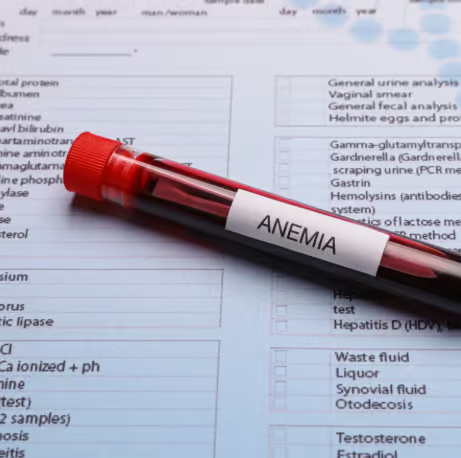
Blood test | source: Private GP
If iron deficiency or anaemia is confirmed, your GP will usually prescribe iron tablets, such as ferrous sulphate or ferrous fumarate. These supplements are typically taken for several months to help increase red blood cell production and replenish the body's iron stores.
Your GP will also investigate the underlying cause of your low iron levels. Depending on your age, gender, symptoms, and risk factors, this may include a Faecal Immunochemical Test (FIT) to check for hidden blood in your stool, or a referral to a specialist, such as a gastroenterologist or gynaecologist, for further assessment.
Treating Anemia | Source: Dialysis Patient Citizens Education Centre
After starting iron supplements, you will usually be asked to return for a follow-up appointment within 2 to 4 weeks. This allows your GP to check how well your body is responding to the treatment and whether your iron levels and haemoglobin are beginning to improve.
It is important to continue taking iron supplements for the full length of time recommended by your GP, even if your symptoms improve, as this helps restore your body's iron stores and reduces the risk of the anaemia returning.
 0
 0
 0
 0
 0