


BBC News presenter Maryam Moshiri has revealed that she has been living with an incurable form of blood cancer for almost two years, saying she wants to speak openly about her experience to raise awareness of a condition that can often go unnoticed.
The 49 year old presenter, who hosts The World Today, was diagnosed with polycythaemia vera (PV) in November 2024 after blood tests showed high levels of red blood cells. PV is a rare, slow growing blood cancer that causes the body to produce too many red blood cells, making the blood thicker and increasing the risk of potentially serious clots.
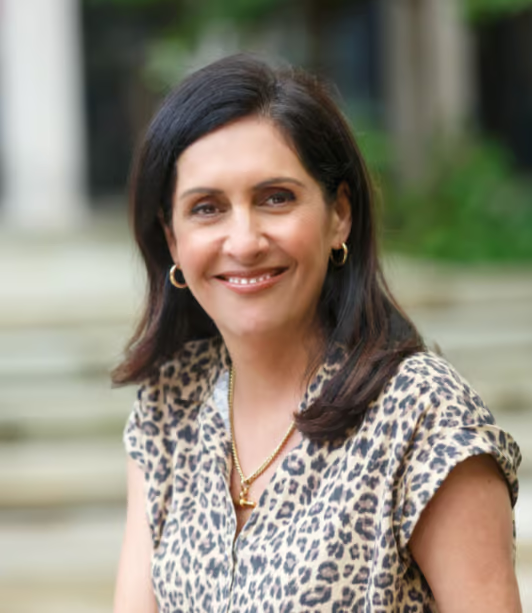
Maryam Moshiri | Source: Portico Magazine – UCL
Moshiri said she first had very few obvious symptoms and was therefore shocked when doctors told her she had cancer.
“I thought: it can’t happen to me.”
She explained that one of the most difficult aspects of PV is that it can be a “silent or hidden” cancer, with some people continuing to work and live normally while managing the effects of the disease. “I was told by my consultant that I have this incurable blood cancer,” she said. “Mostly I had no symptoms and that's one of the problems with this disease.”
PV can cause symptoms including headaches, dizziness, blurred vision, itching and extreme tiredness. More importantly, people with the condition face an increased risk of blood clots, which can lead to problems including strokes, heart attacks and deep vein thrombosis.
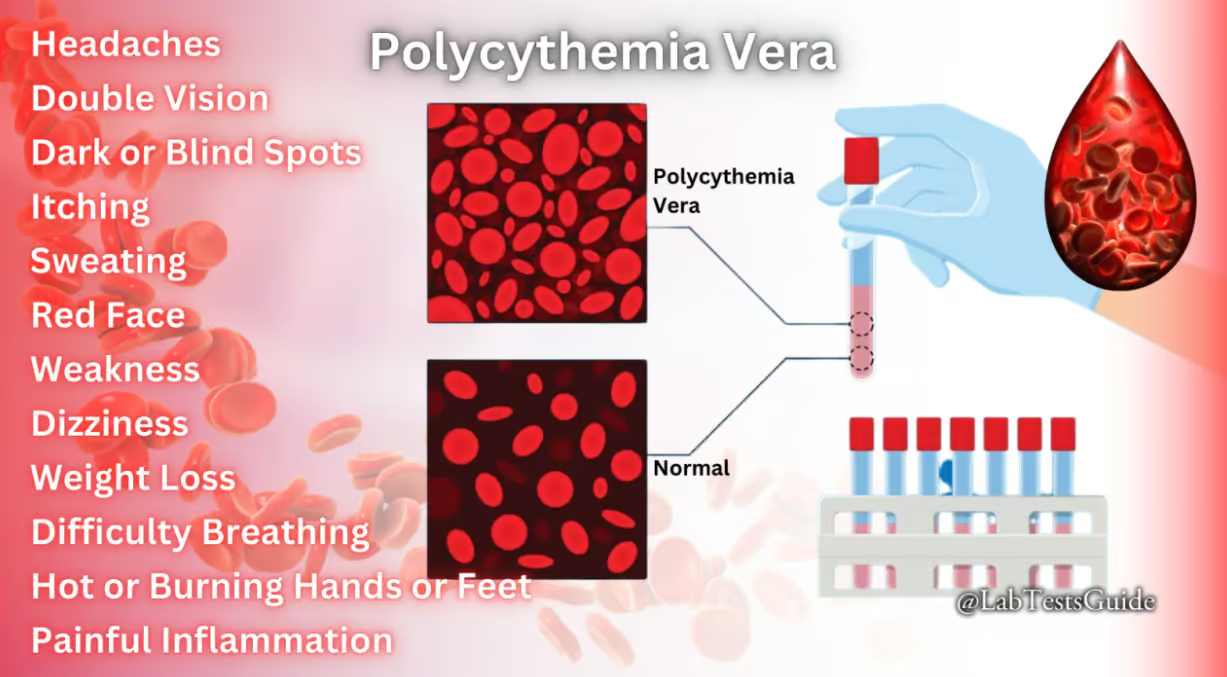
PV symptoms | Source: Lab Tests Guide
After her diagnosis, Moshiri underwent several venesections, which left her tired and low in iron. She later switched to Pegasys injections, which have reduced her need for the procedure and improved her health.
Although PV is incurable, it can be managed with treatment. Moshiri hopes sharing her experience will raise awareness of blood cancer and says she remains hopeful about future treatments and research.
 0
0 0
0 0
0 0
0 0
0